
Mural relief "Summertime" (2026) (Original / Unique piece), wood
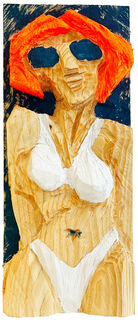
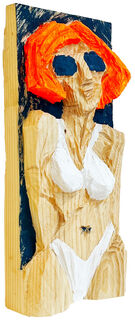
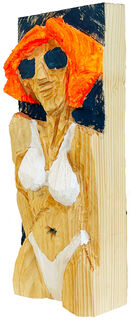


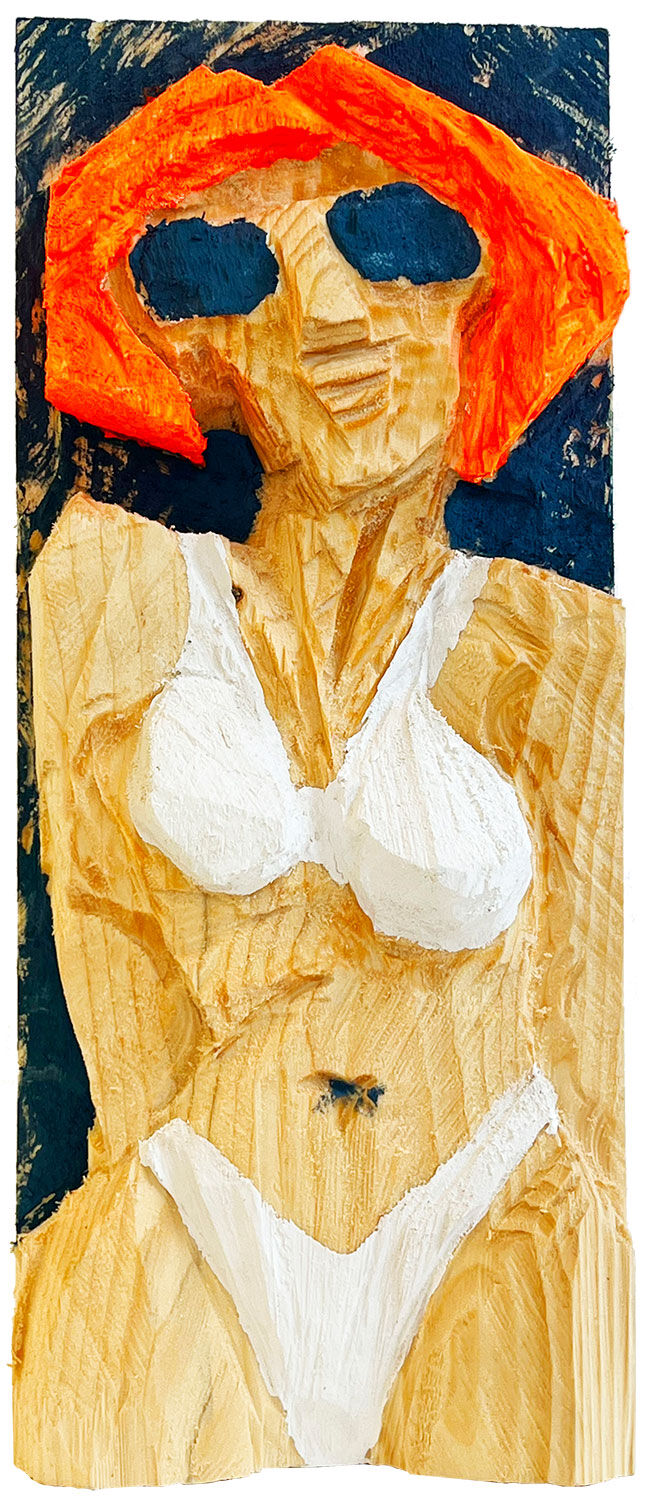
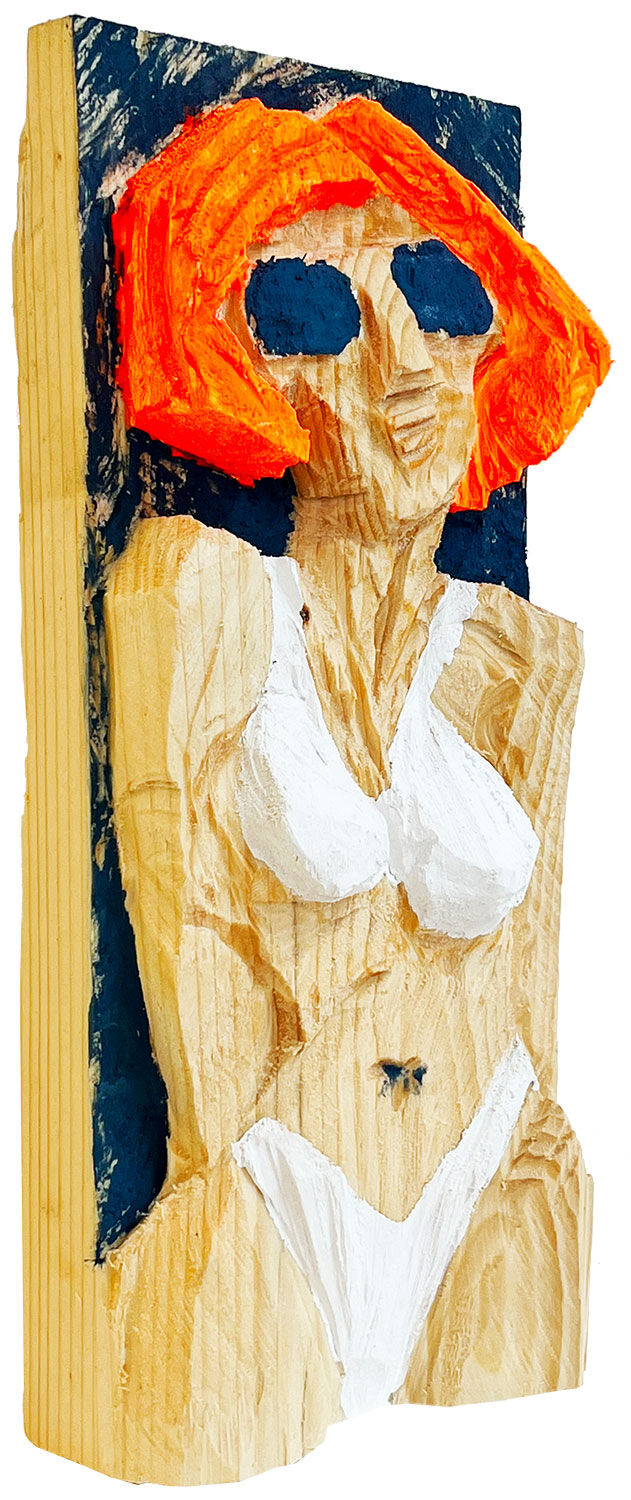
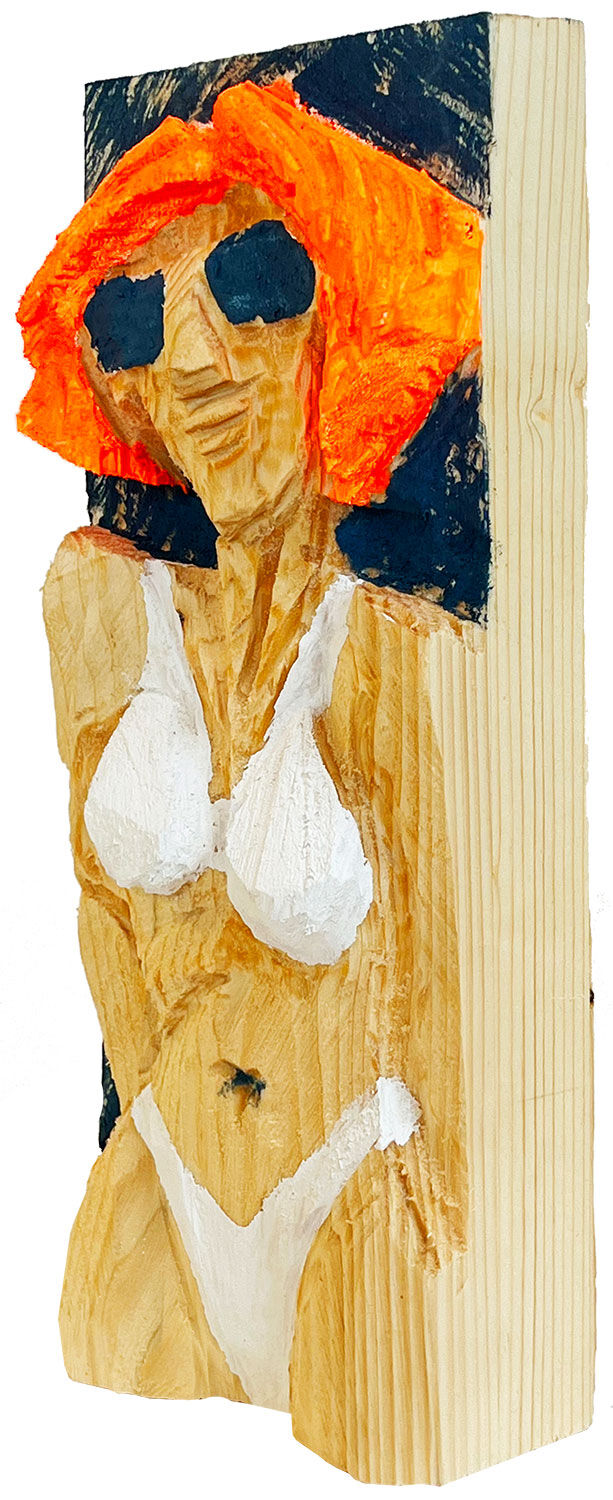
Mural relief "Summertime" (2026) (Original / Unique piece), wood
Quick info
unique piece | signed | wood | handmade and -painted | size 38 x 15.5 cm (h/w) | weight approx. 0.7 kg | suspension device
Detailed description
Mural relief "Summertime" (2026) (Original / Unique piece), wood
The sculptor Jörg Herz creates expressively sawn sculptures. The focus of his work is on human beings in all facets of life. Both men and women, sometimes quirky, sometimes idiosyncratic, but always disarmingly honest. The sculpture itself fades into the background - the art becomes a resonance space between the artwork and the viewer.
Original mural relief made of spruce wood, worked with a chainsaw and hand-painted with acrylics. Can also be placed as a stand sculpture. Hand-signed on the back. With hole for hanging. Size 38 x 15.5 cm (h/w). Weight approx. 0.7 kg.
Producer: ars mundi Edition Max Büchner GmbH, Bödekerstraße 13, 30161 Hanover, Germany, [email protected]
A not fully three-dimensional artwork carved from a stone or wooden panel.
There are different degrees of relief depending on the degree of projection. The range includes low relief/bas-relief and high relief. The sunken relief is a common form of reliefs in Ancient Egypt, in which the depicted scenes were cut into the stone or wood surface.
Among the most famous reliefs are the works of the Florentine master Lorenzo Ghiberti. Among other artworks, he created the pair of gilded bronze doors of the Baptistery in Florence, called by Michelangelo the "Gates of Paradise".
A plastic work of sculptural art made of wood, stone, ivory, bronze or other metals.
While sculptures made of wood, ivory, or stone are carved directly from the material block, in bronze casting, a working model is prepared at first. Usually, it is made of clay or other easily mouldable materials.
The prime time of sculpture after the Greek and Roman antiquity was the Renaissance. Impressionism gave a new impulse to the sculptural arts. Contemporary artists such as Jorg Immendorf, Andora, and Markus Lupertz also enriched sculptures with outstanding works.
A one-of-a-kind or unique piece is a work of art personally created by the artist. It exists only once due to the type of production (oil painting, watercolour, drawing, lost-wax sculpture etc.).
In addition to the classic unique pieces, there are also the so-called "serial unique pieces". They present a series of works with the same colour, motif and technique, manually prepared by the same artist. The serial unique pieces are rooted in "serial art", a genre of modern art that aims to create an aesthetic effect through series, repetitions, and variations of the same objects or themes or a system of constant and variable elements or principles.
The historical starting point is considered to be Claude Monet's "Les Meules" (1890/1891), where, for the first time, a series was created that went beyond a mere group of works. The other artists, who addressed to the serial art, include Claude Monet, Piet Mondrian and above all Gerhard Richter.