
Set of 2 mugs with artist's motifs "LOVE OF MY LIFE - FLOWERS" & "BE IN BALANCE", porcelain

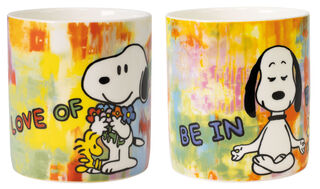


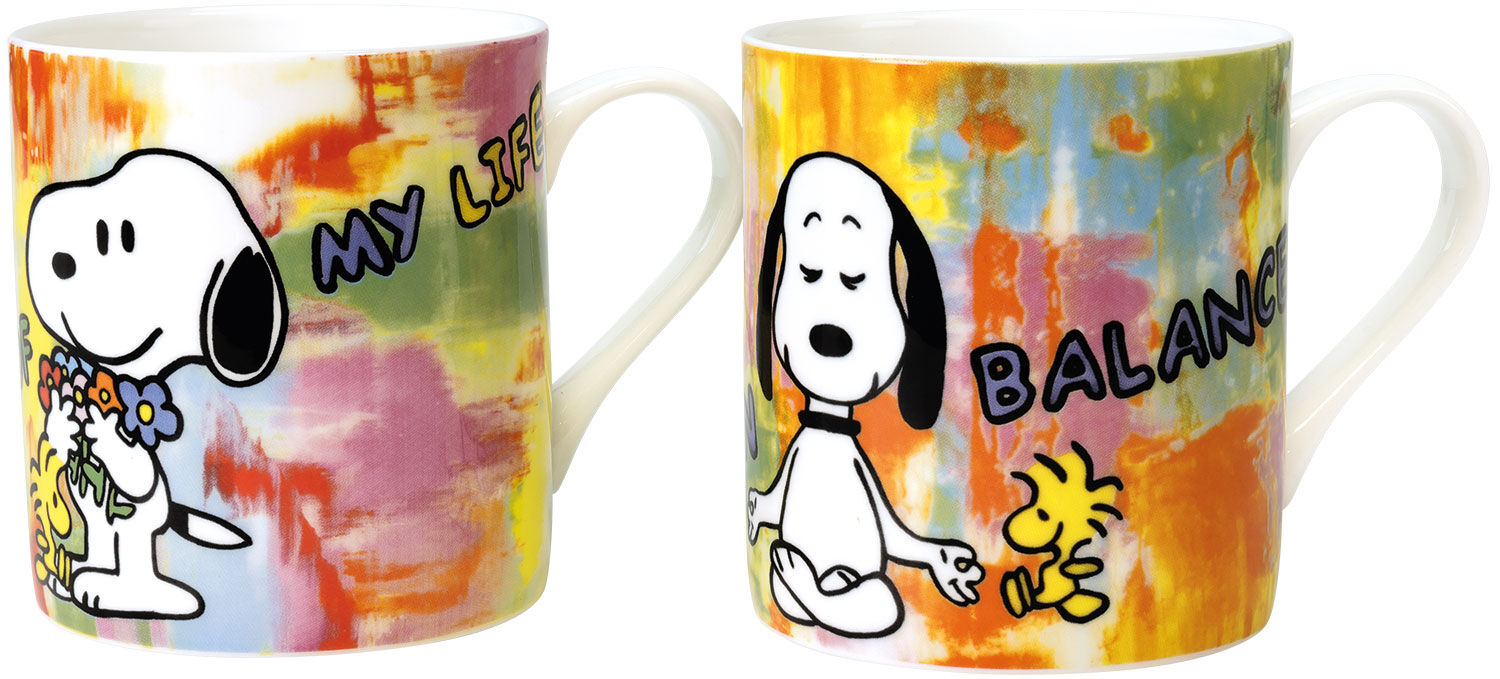
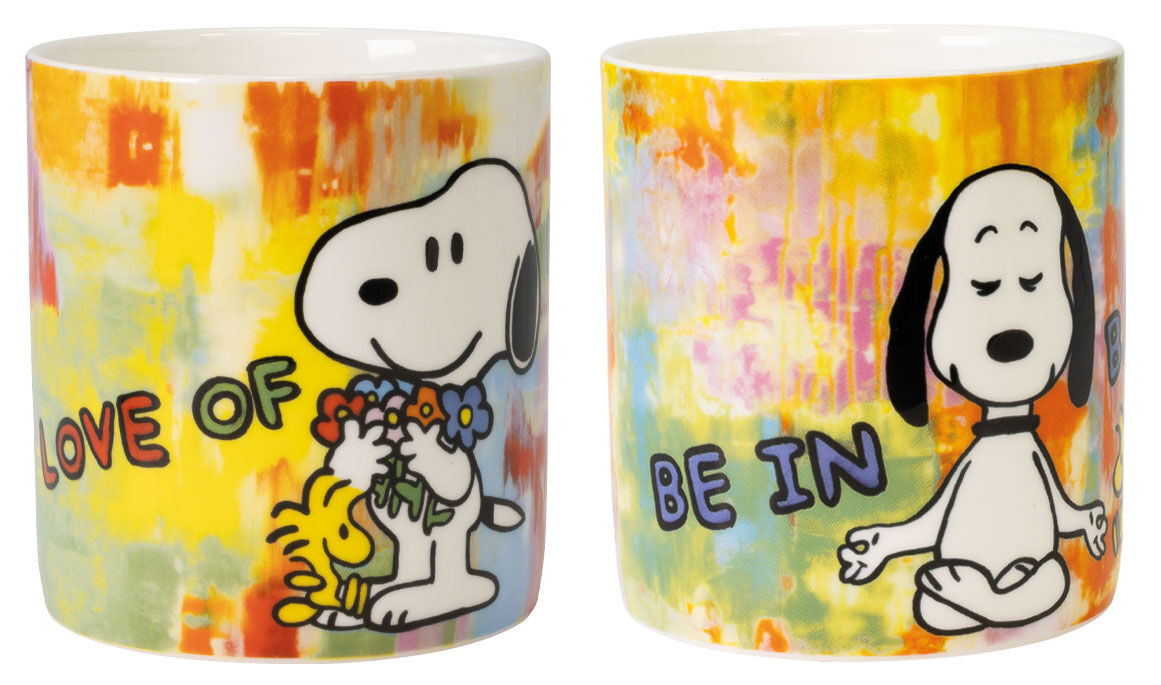
Set of 2 mugs with artist's motifs "LOVE OF MY LIFE - FLOWERS" & "BE IN BALANCE", porcelain
Quick info
ars mundi Exclusive Edition | porcelain | capacity 0.38 l each | dishwasher safe | only as a set
Detailed description
Set of 2 mugs with artist's motifs "LOVE OF MY LIFE - FLOWERS" & "BE IN BALANCE", porcelain
Humorous art for the coffee table. ars mundi has put selected motifs by Michael Pfannschmidt on high-quality coffee mugs.
Made from bone china. Height 9 cm each. Diameter 8.2 cm each. Weight 0.4 kg each. Capacity 0.38 l each, dishwasher-safe. Available as a set only. ars mundi Exclusive Edition.
Producer: ars mundi Edition Max Büchner GmbH, Bödekerstraße 13, 30161 Hanover, Germany, [email protected]
Customer reviews
Rasche und unkomplizierte Erledigung. Danke.
Wie immer Top-Service

About Michael Pfannschmidt
The artist Michael Pfannschmidt from Cologne, Germany, found his way to art through his eventful past and career as an educator. Throughout his life, he documented his experiences in colours and forms. As a result, his colourful works always reflect his impressions and experiences.
Above all, Michael Pfannschmidt skilfully translates motifs from the world of comics into his art, often with a wink.


Graphic or sculpture edition that was initiated by ars mundi and is available only at ars mundi or at distribution partners licensed by ars mundi.
> All ars mundi Exclusive Editions
Ceramic product made of kaolin, quartz, and feldspar.
Porcelain is formed by turning or pressing, and figurative objects are cast. Complex objects have to be cast in separated steps and sections, and then "assembled". After the moulding, the pieces are dried and undergo an initial firing at about 900°C. Next, the glaze will be applied and fired at temperatures between 1,240 °C and 1,445 °C. In renowned manufactories, the porcelain is painted by hand, with each colour being fired individually under strict temperature tolerances.
Porcelain was invented in China and became widespread in Europe from the 16th century onwards. The first European porcelain factory was founded in Meissen, Germany in 1710.
Other famous European porcelain factories include Fürstenberg, Höchst, Schwarzburger Werkstätten, Lladró, Nymphenburg, KPM, Augarten, Sèvres, Limoges, Royal Copenhagen, Worcester. Each factories label their products with their personal porcelain stamps to indicate their origin.