
Sculpture "Great Views" (2006), gold-plated version New
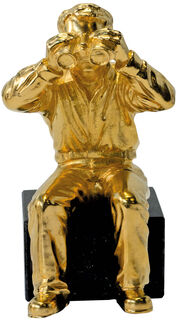
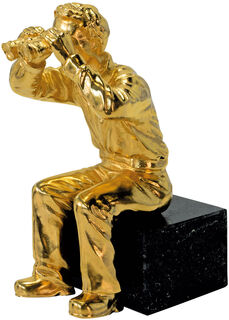
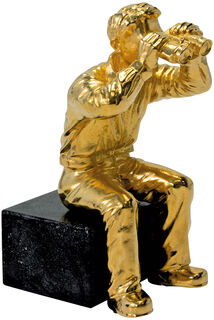


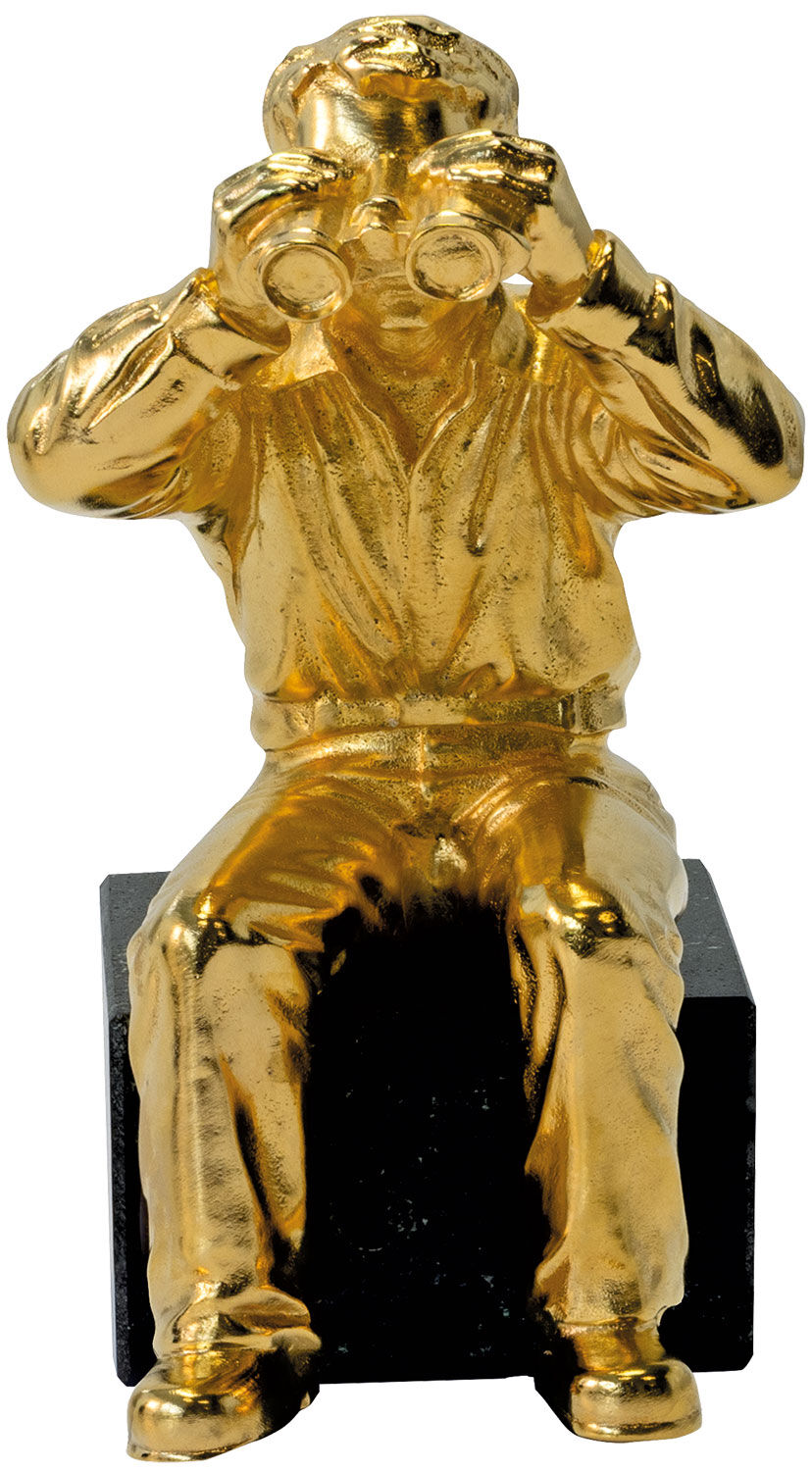
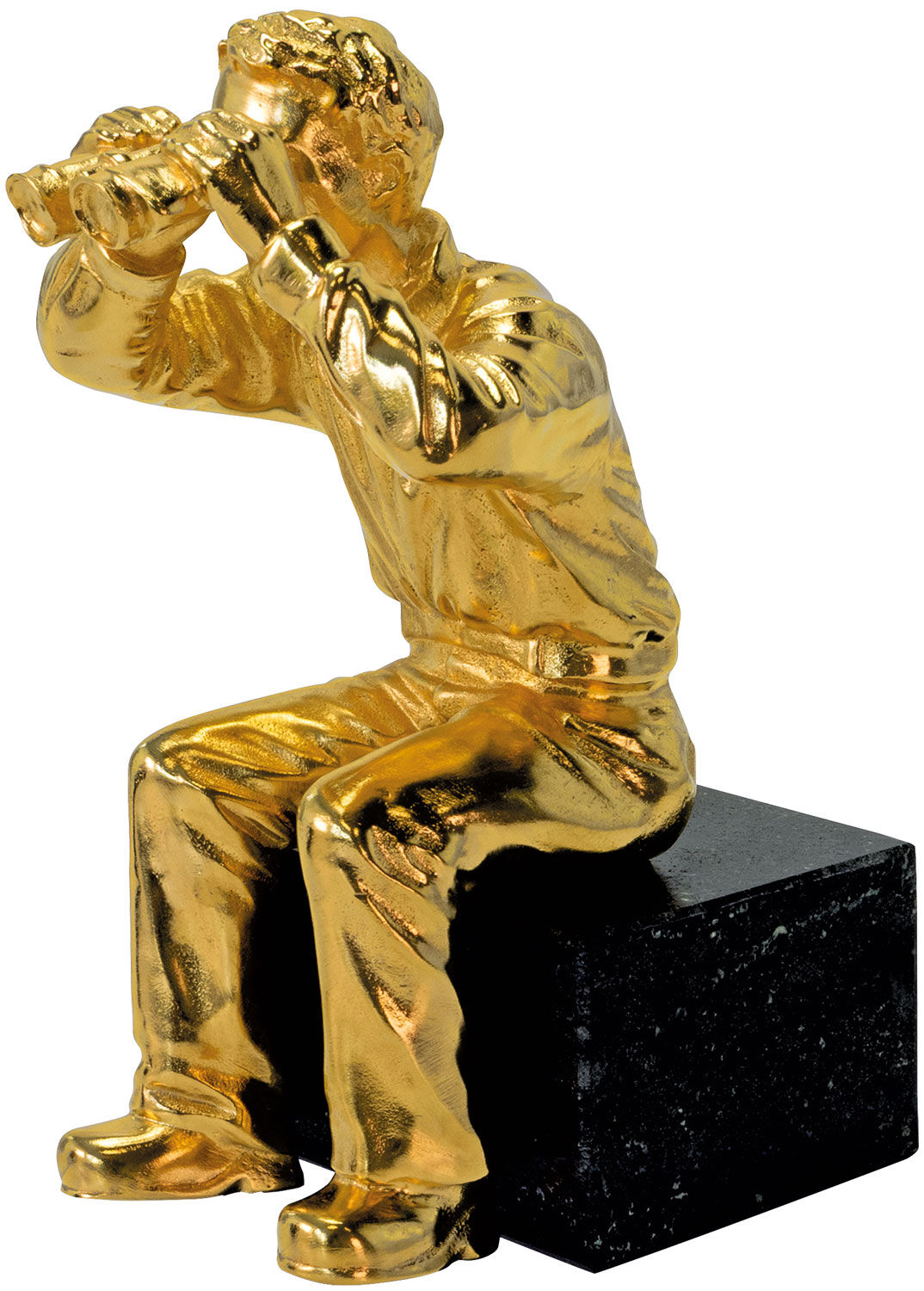
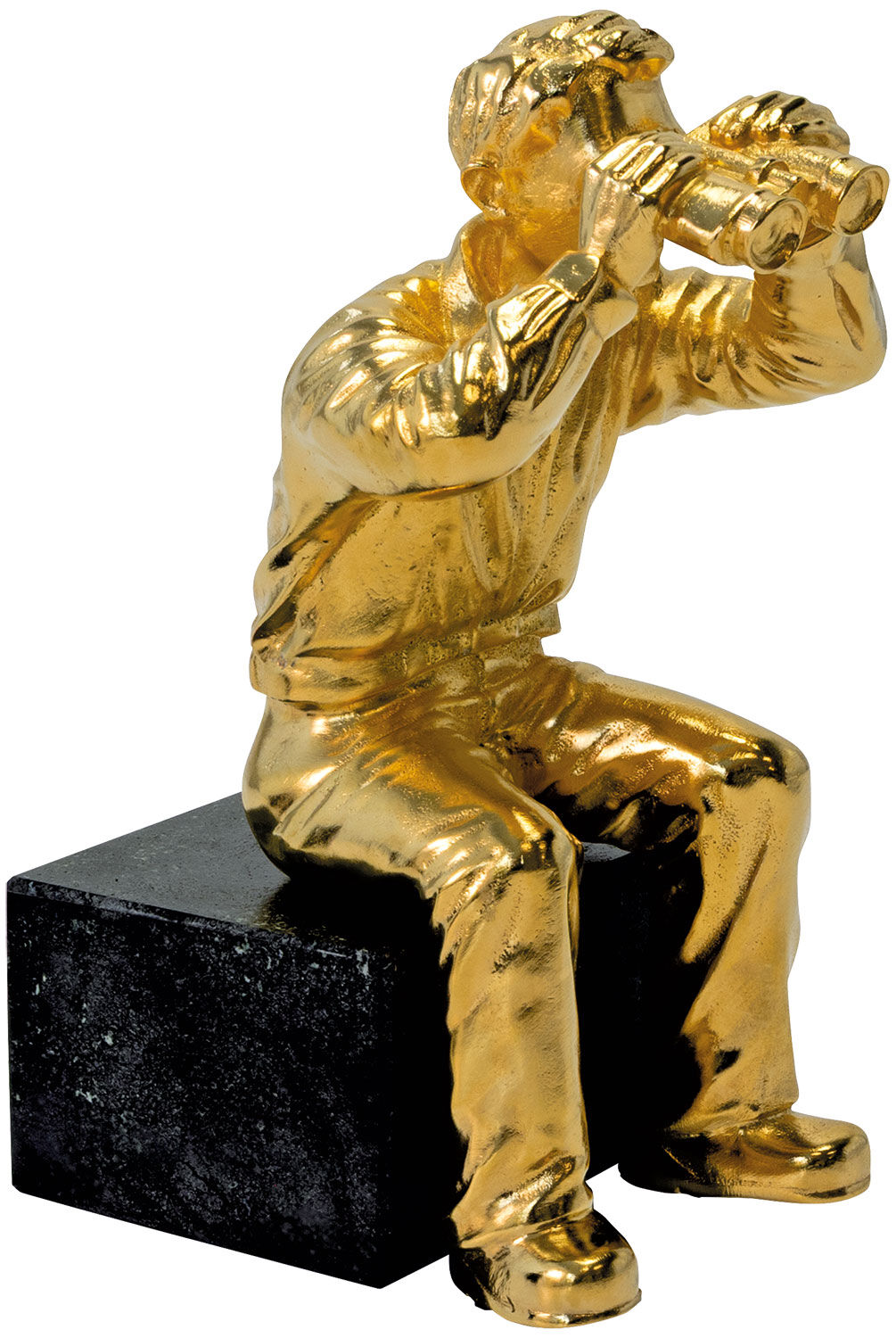
Sculpture "Great Views" (2006), gold-plated version New
Quick info
ars mundi Exclusive Edition | limited, 980 copies | numbered | signed | hallmarked | certificate | gold-plated cast metal | size 13 x 7.5 x 10 cm (h/w/d) | marble pedestal 4 x 7.5 x 5.5 cm (h/w/d) | weight approx. 1.3 kg
Detailed description
Sculpture "Great Views" (2006), gold-plated version
We're sorry, but there is no English translation for this item yet. If you are interested in the size or the material of this product, please have a look at the German description as stated below.
Der deutsche Bildhauer und Konzeptkünstler Ottmar Hörl hat sich mit spektakulären Großprojekten einen Namen gemacht. In seinen Kunstaktionen stellt er Hunderte, teils Tausende identische Skulpturen von symbolträchtigen Persönlichkeiten oder Tieren auf prominenten Plätzen deutscher Städte auf.
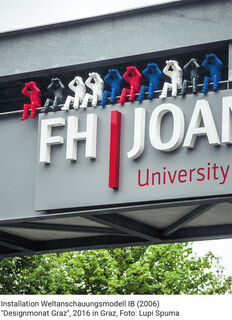
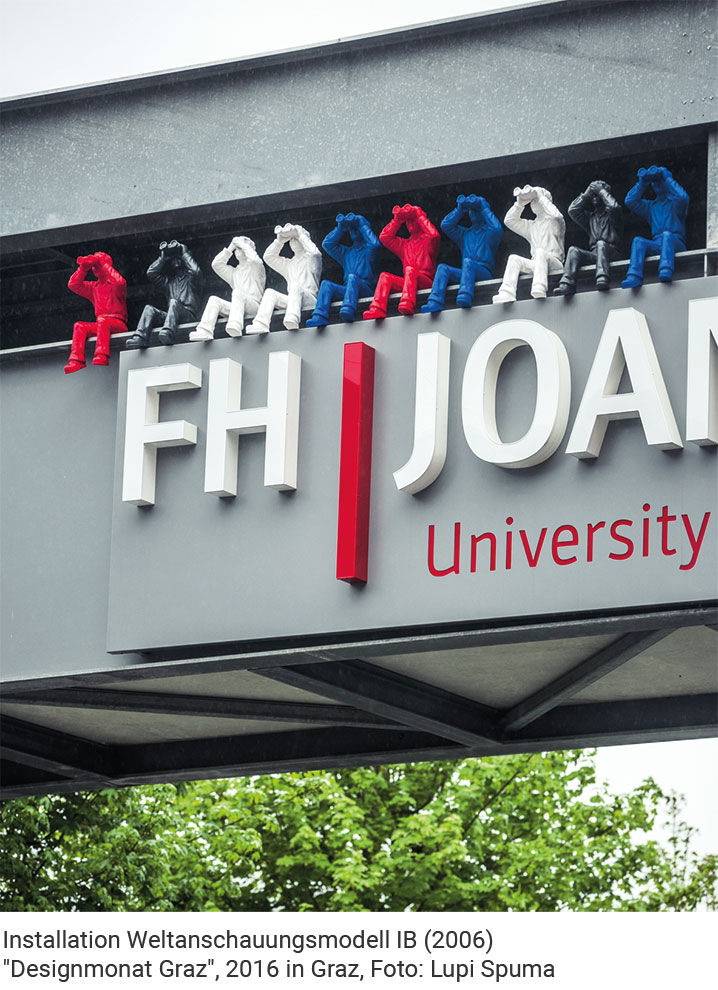
So brachte Ottmar Hörl 2016 seine "Weltanschauungsmodelle" mitten in den öffentlichen Raum. Rund fünfzig Figuren mit Ferngläsern tauchten an wechselnden Orten in der Grazer Innenstadt auf - als stille Beobachter und zugleich als Einladung an Passanten, über Wahrnehmung, Perspektiven und die eigene Sicht auf die Welt nachzudenken.
Limitierte Sonderedition von 980 Exemplaren. Version aus feinvergoldetem Metallguss (24 Karat). Nummeriert, signiert und mit dem Gießerei- und ars mundi-Stempel punziert. Mit nummeriertem Authentizitäts- und Limitierungszertifikat. Format 13 x 7,5 x 10 cm (H/B/T). Inkl. Marmorsockel, Format 4 x 7,5 x 5,5 cm (H/B/T). Gewicht ca. 1,3 kg. ars mundi Exklusiv-Edition.
Producer: ars mundi Edition Max Büchner GmbH, Bödekerstraße 13, 30161 Hanover, Germany, [email protected]
About Ottmar Hörl
Ottmar Hörl (born 1950) is one of the most important contemporary German artists.
His sculptural work deals with the theme of standardisation and the equalisation of everyday objects that surround us in so many ways in our lives. But he does it in an extremely humorous way, and his "exhibitions" resemble magnificent spectacles when, for example, he "carries" a giant swarm of owls to Athens, sets up hundreds of bears in front of the Brandenburg Gate or displays 1,000 meerkats on a "staff outing" - all made of brightly coloured plastic.
"Concentrated in a square or distributed in the urban space, my installations become visual as well as tangible obstacles. They are meant to trigger reflection, a moment of pause."
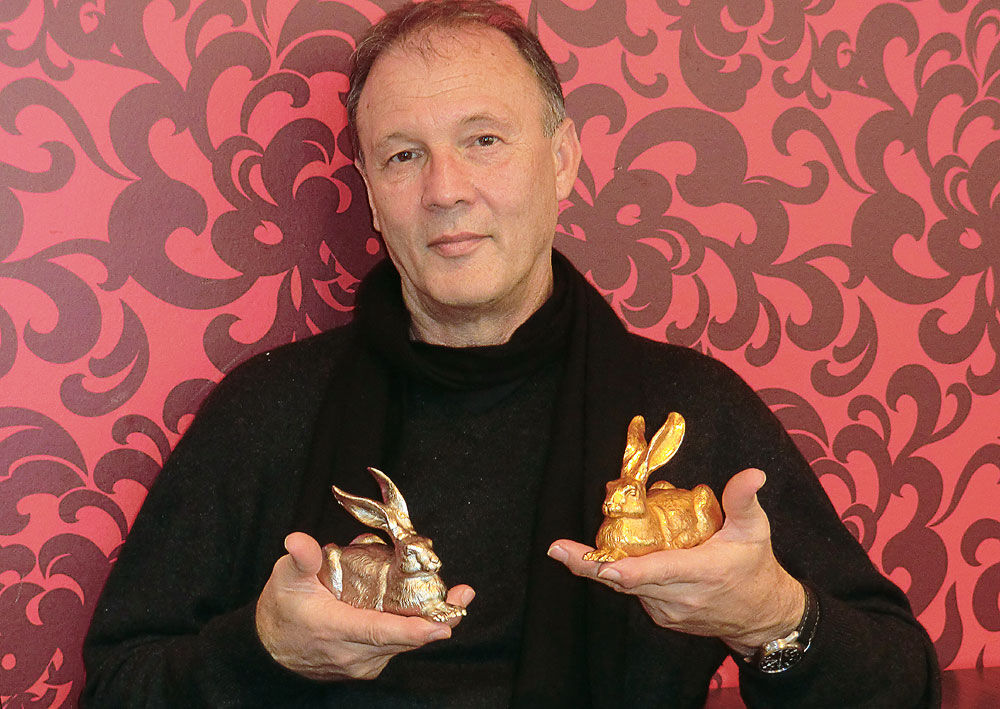
His most famous action was dedicated to the artist Dürer and his world-famous watercolour of a hare. In 2003, no more and no less than 7,000 rabbits filled the main market square in Nuremberg for the "Great Rabbit Piece".
From 1975 to 1979 Ottmar Hörl studied at the Städelschule Academy of Fine Arts in Frankfurt am Main, and from 1981 at the Düsseldorf Academy of Fine Arts as a student of Klaus Rinke. In 1985 he founded the group "Formalhaut" with the architects Gabriela Seifert and Götz G. Stöckmann. In the early 1990s, Hörl was a visiting professor at the Graz University of Technology. Since 1999 he has held a professorship for fine arts at the Academy of Fine Arts Nuremberg, and between October 2005 and October 2017 he was president of the academy.
Through his works, Hörl is engaged with the aesthetics of everyday culture. He defines the term as an "organisational principle" and detects this principle in his environment, in which many objects of daily use are standardised and normed.
His works can be found in many national and international collections. Ottmar Hörl lives and works in Nuremberg and Wertheim.
Graphic or sculpture edition that was initiated by ars mundi and is available only at ars mundi or at distribution partners licensed by ars mundi.
> All ars mundi Exclusive Editions
Term for an art object (sculpture, installation) that, according to the artist’s intention, is produced in multiple copies within a limited and numbered edition.
Multiples enable the "democratization" of art by making the work accessible and affordable for a wider audience.
A plastic work of sculptural art made of wood, stone, ivory, bronze or other metals.
While sculptures made of wood, ivory, or stone are carved directly from the material block, in bronze casting, a working model is prepared at first. Usually, it is made of clay or other easily mouldable materials.
The prime time of sculpture after the Greek and Roman antiquity was the Renaissance. Impressionism gave a new impulse to the sculptural arts. Contemporary artists such as Jorg Immendorf, Andora, and Markus Lupertz also enriched sculptures with outstanding works.