
Sculpture "Ottifant", cast version, metallic silver
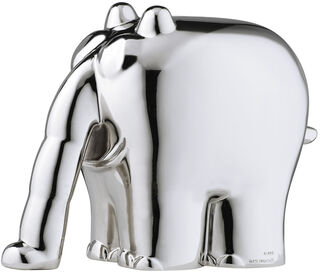
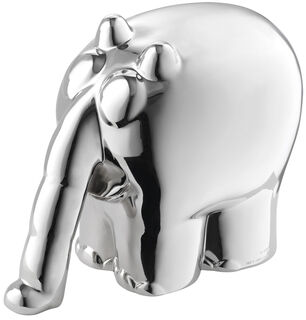
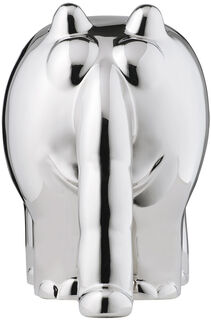


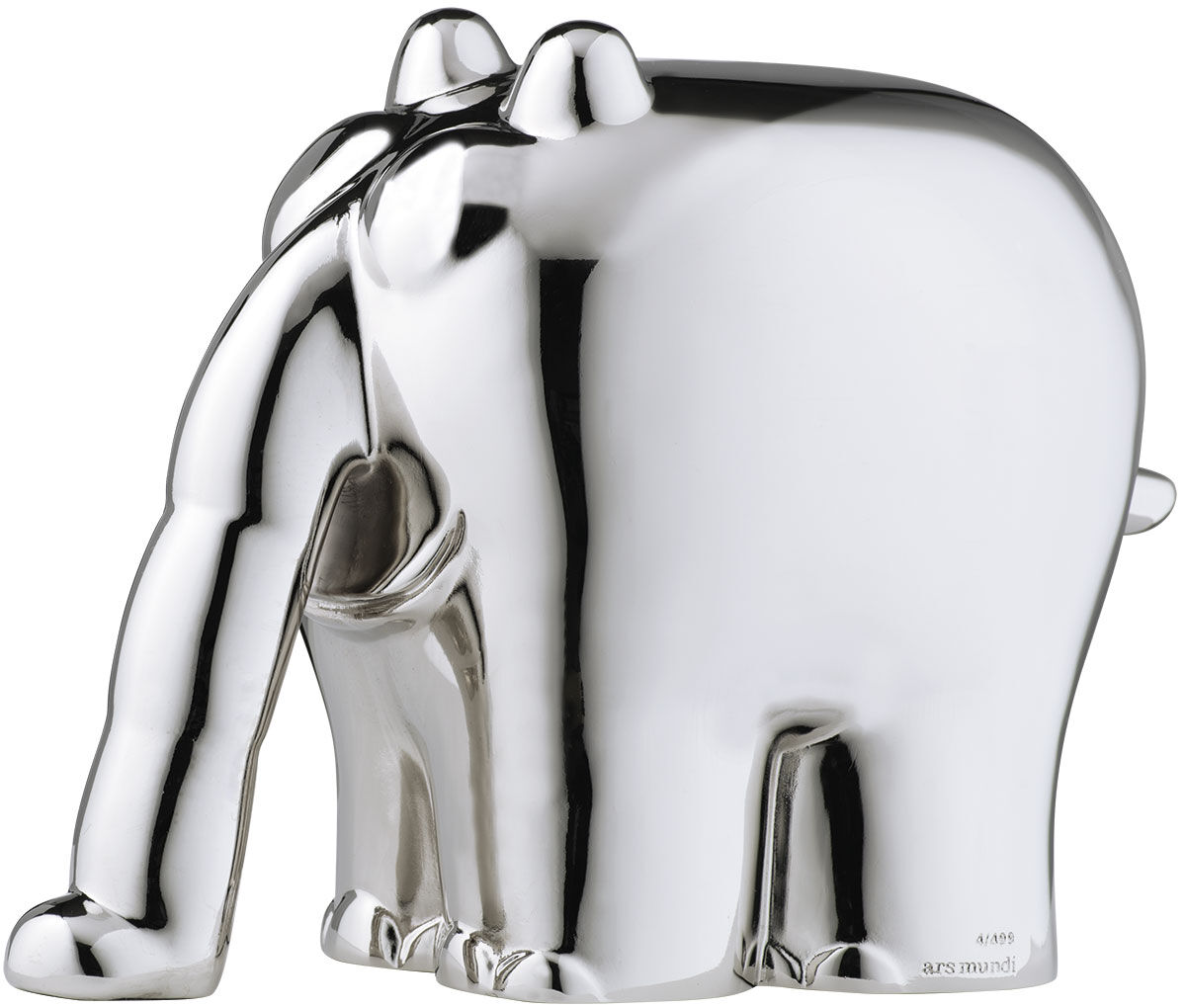
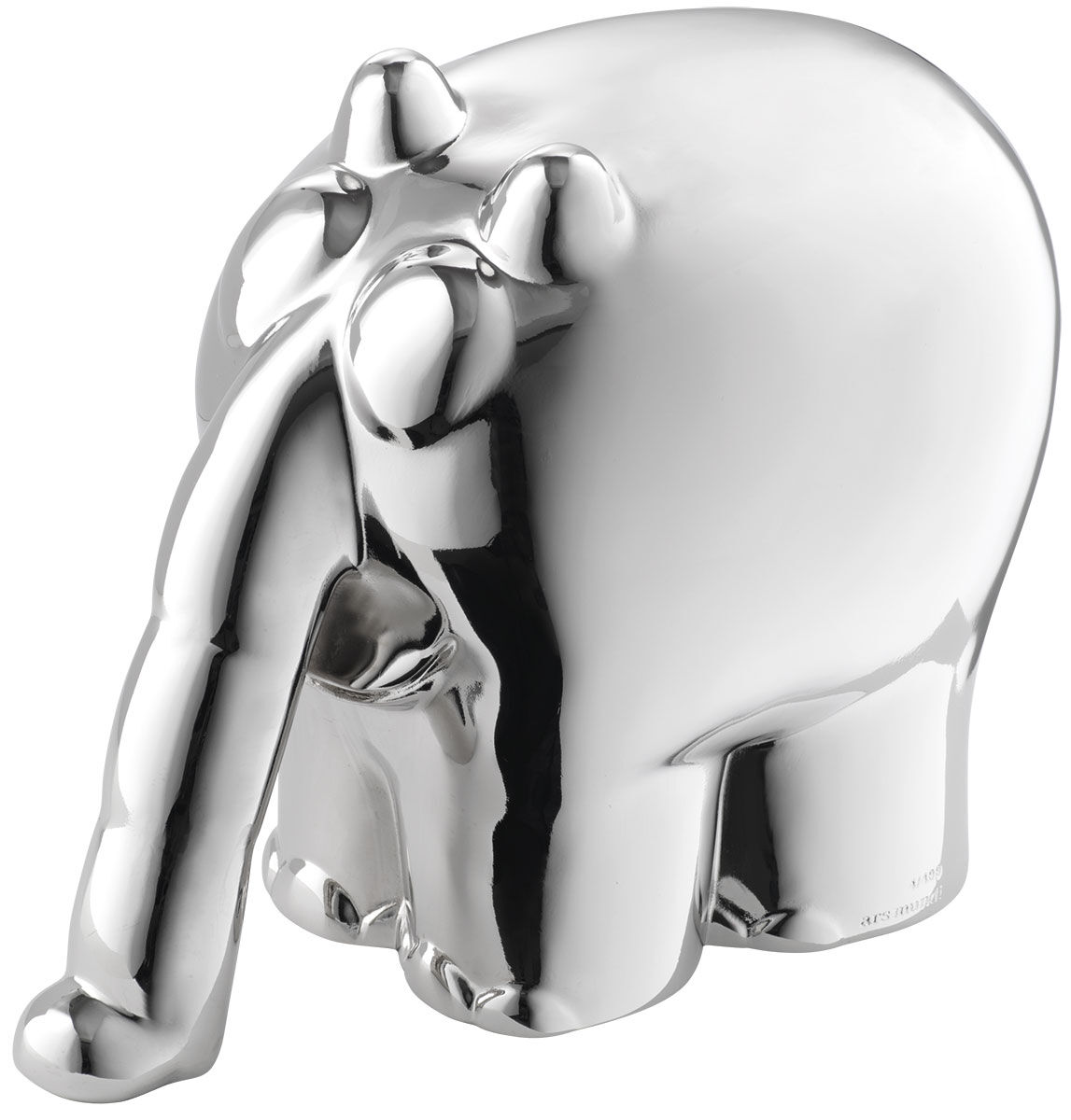
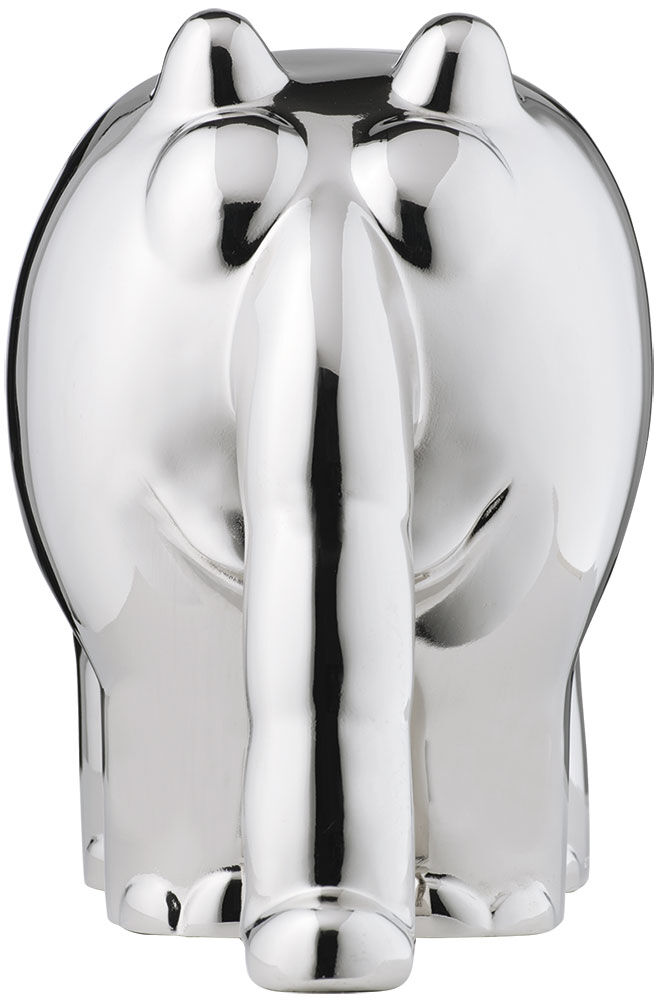
Sculpture "Ottifant", cast version, metallic silver
Quick info
ars mundi Exclusive Edition | limited, 499 copies | numbered | signed | hallmarked | certificate | cast | metallic look | lacquered | size 21 x 14 x 29 cm (h/w/d) | weight approx. 6.4 kg
Detailed description
Sculpture "Ottifant", cast version, metallic silver
Otto Waalkes is not only a comedian, singer and actor, he is also a gifted illustrator and caricaturist (and, incidentally, a graduate of the University of Fine Arts in Hamburg, Germany). His most famous creation is the Ottifant. Originally the result of a failed self-portrait from his school days, the trunked creature gradually became his trademark, indeed, Otto's own drawn alter ego. This edition therefore pays tribute not only to the Ottifant, but also to the great comedian Otto Waalkes.
Exclusive to ars mundi: Sculpture of the famous Ottifant made of cast resin with a high-gloss metallic finish. Limited edition of 499 copies, numbered, signed and hallmarked with the ars mundi stamp. With numbered certificate of authenticity and limitation. Size 21 x 14 x 29 cm (h/w/d). Weight approx. 6.4 kg. Silver version.
Producer: ars mundi Edition Max Büchner GmbH, Bödekerstraße 13, 30161 Hanover, Germany, [email protected]
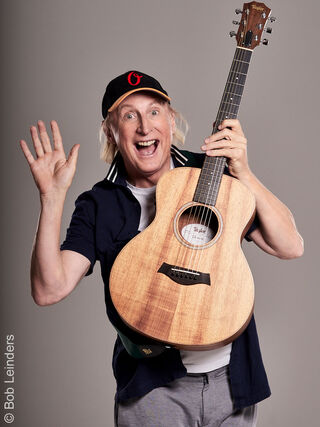
About Otto Waalkes
He is the even more famous East Frisian than the East Frisian national drink the black tea with cream. He was already doing comedy when many celebrities of today's popular comedy scene were not even born. Otto Waalkes is the father figure of this genre in Germany.
Already in the 1970s and 1980s, Otto sold out huge venues, achieved unimaginable ratings with his legendary TV shows and was regularly represented in the top ten of the (music!) charts with his LP’s. His first movie in 1985 is still considered the most successful cinema movie in Germany since the beginning of audience recording. And if you were to line up his awards one after the other, it would probably result in a perceived distance between the biggest cities in his homeland East Frisia from Emden to Aurich. Already three times, he has received the German Comedy Award, including one for his life's work, when he was just 50 years old.
Otto's popularity has not waned to this day. He continues to tour with great success. Moreover, he has worked as an actor and dubbing artist on many major cinema hits in recent years and thus, has now conquered the third, if not fourth, generation of audiences.
Otto and the "Ottifant":
Not the Indian elephant, nor the African elephant, but the East Frisian elephant is probably the most popular in Germany. Since 1972, the Ottifant has accompanied Otto Waalkes' work. First as a logo for his record company, then as a caricature on his record covers and finally as a cartoon feature in his big TV shows. The Ottifant belongs to Otto like Otto belongs to East Frisia.
Over the course of time, the pachyderm has developed an amazing life of its own. It has become a comic figure, had its own TV series and a feature-length film, was the star of a video game and a series of computer games, and finally even the mascot of the East Frisian football club BSV Kickers in Otto's homeland of Emden. And when Otto set up the "Otto Huus" museum in 1987 in Emden, with exhibits from his long career, it was clear what kind of "art on a building" they had to install... Since then, a larger-than-life Ottifant, breaking through the brick museum wall to the outside and has been peering over the residents and tourists while they shop.
Graphic or sculpture edition that was initiated by ars mundi and is available only at ars mundi or at distribution partners licensed by ars mundi.
> All ars mundi Exclusive Editions
Collective term for all casting processes that ars mundi carries out with the help of specialised art foundries.
Stone Casting
Similar to artificial marble, with the difference that instead of marble powder, the stone to be replicated is used in powder form.
Bonded Bronze (Cold-Cast-Bronze)
Bronze powder is polymer-bonded. Through special polishing and patination techniques, the surface of the cast takes on an appearance similar to that of bronze.
Imitation Wood
In order to guarantee absolute fidelity to the original, an artificially manufactured imitation wood is used as a base material that features typical wood characteristics: density, workability, colour, and surface structure.
Ceramic Mould Casting
Ceramic mould casting usually requires the use of casting clay, which is then fired and optionally glazed. Instead of the usual rubber moulds, plaster moulds are often used in ceramic casting and porcelain production.
Cast Bronze (Lost-Wax-Casting)
For the cast bronze, the thousand-year-old lost-wax technique is used. It's the best, but also the most complex method of producing sculptures.
Term for an art object (sculpture, installation) that, according to the artist’s intention, is produced in multiple copies within a limited and numbered edition.
Multiples enable the "democratization" of art by making the work accessible and affordable for a wider audience.
A plastic work of sculptural art made of wood, stone, ivory, bronze or other metals.
While sculptures made of wood, ivory, or stone are carved directly from the material block, in bronze casting, a working model is prepared at first. Usually, it is made of clay or other easily mouldable materials.
The prime time of sculpture after the Greek and Roman antiquity was the Renaissance. Impressionism gave a new impulse to the sculptural arts. Contemporary artists such as Jorg Immendorf, Andora, and Markus Lupertz also enriched sculptures with outstanding works.